Unmanned and remotely operated systems are a core technological pillar at Midana for field testing and evaluation operations.
They include aerial, ground, and naval platforms that operate remotely or autonomously.
These systems enable high-fidelity simulation of operational scenarios and the collection of reliable data.
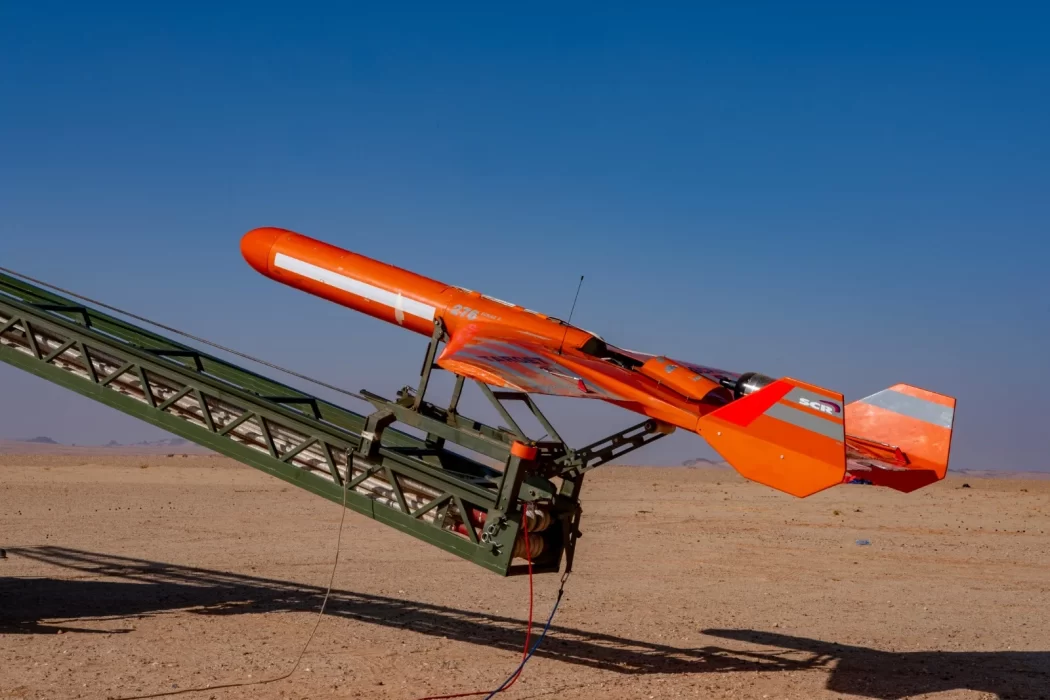
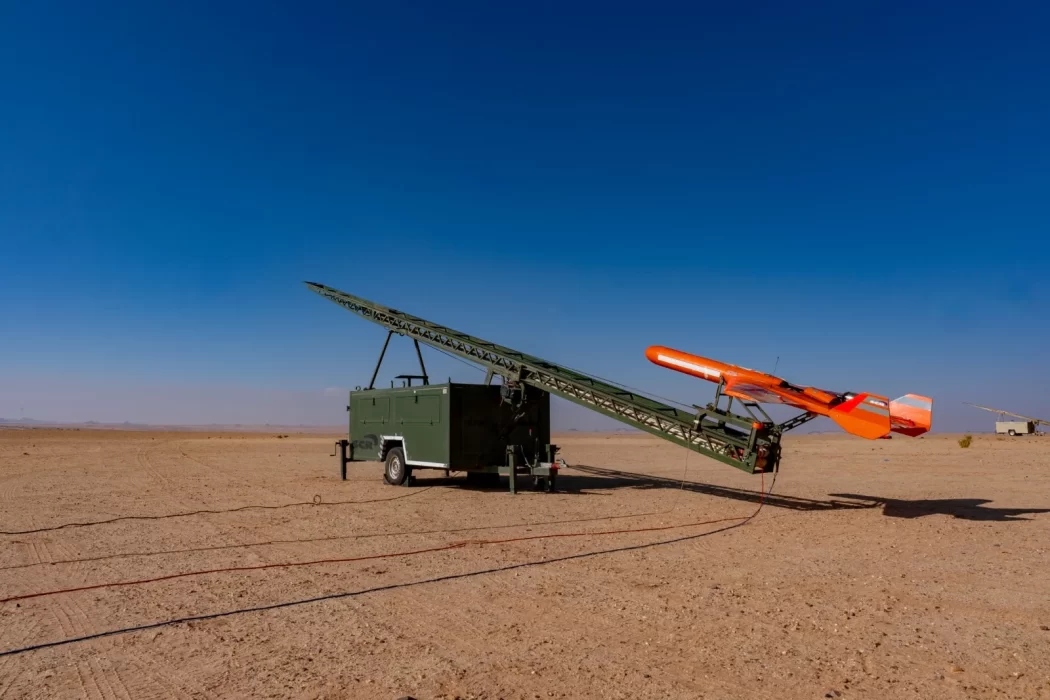
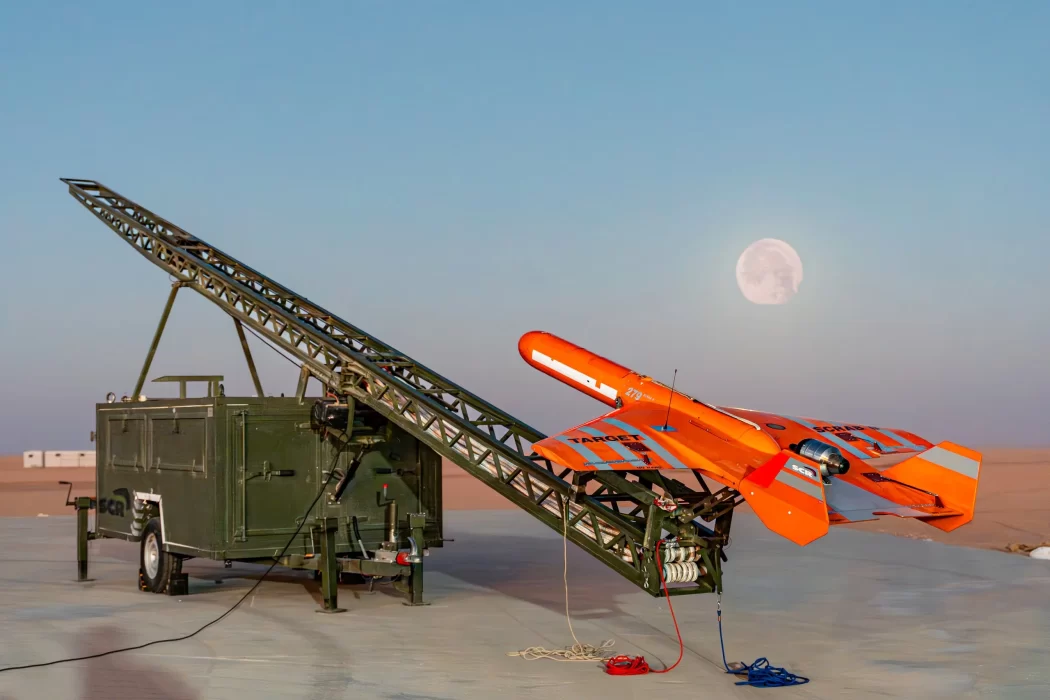
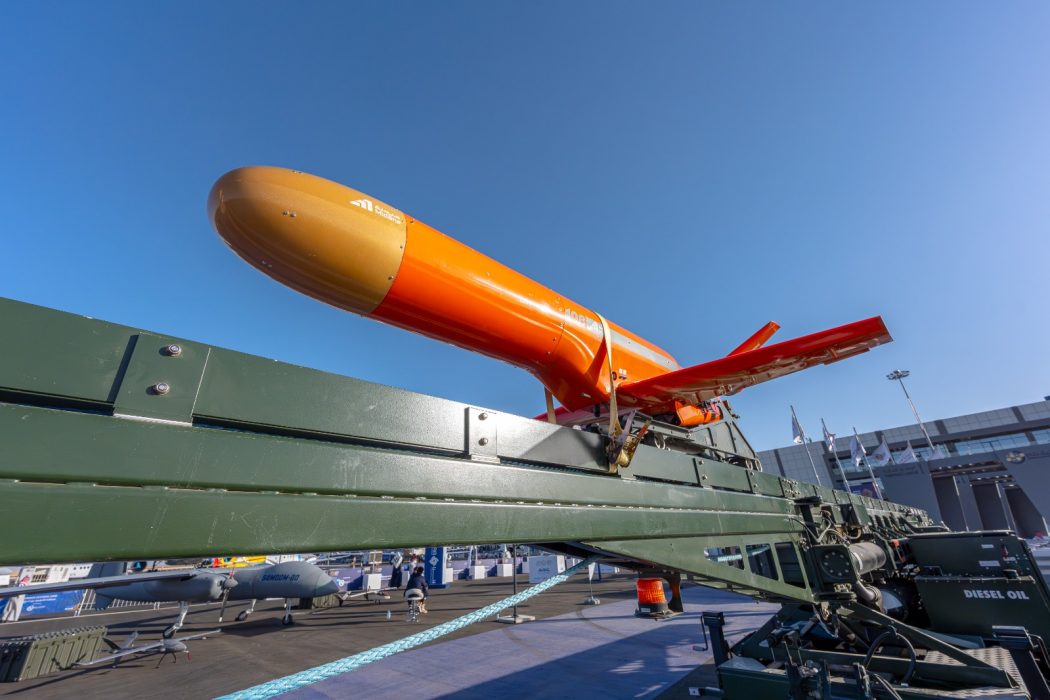
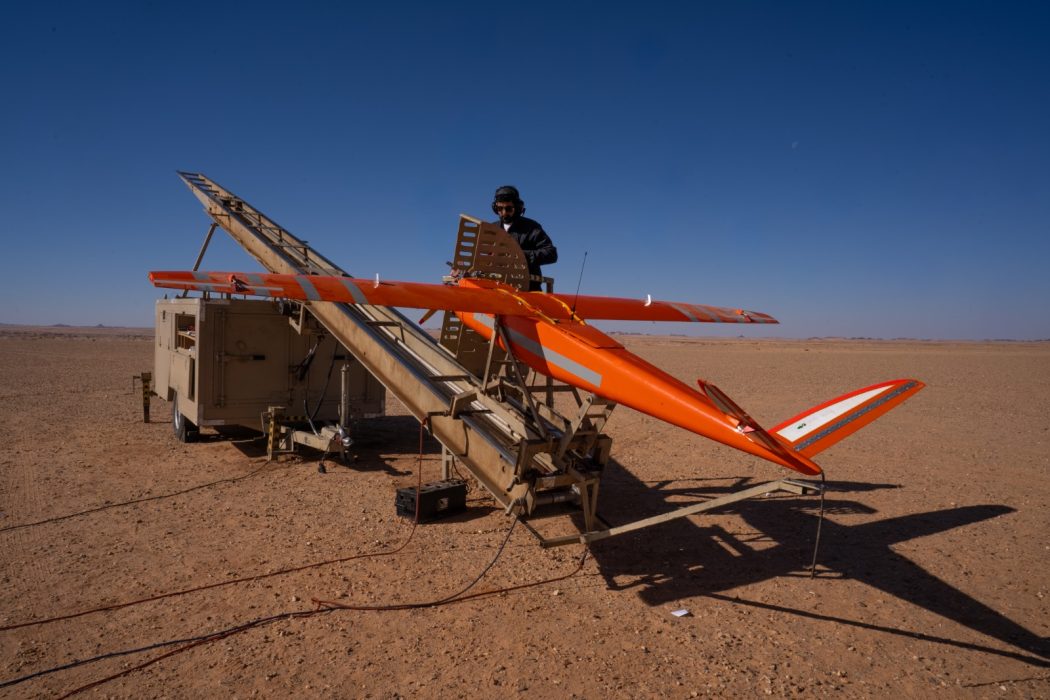
An array of high-performance aerial platforms designed to emulate diverse airborne threats across various altitudes and operational profiles.
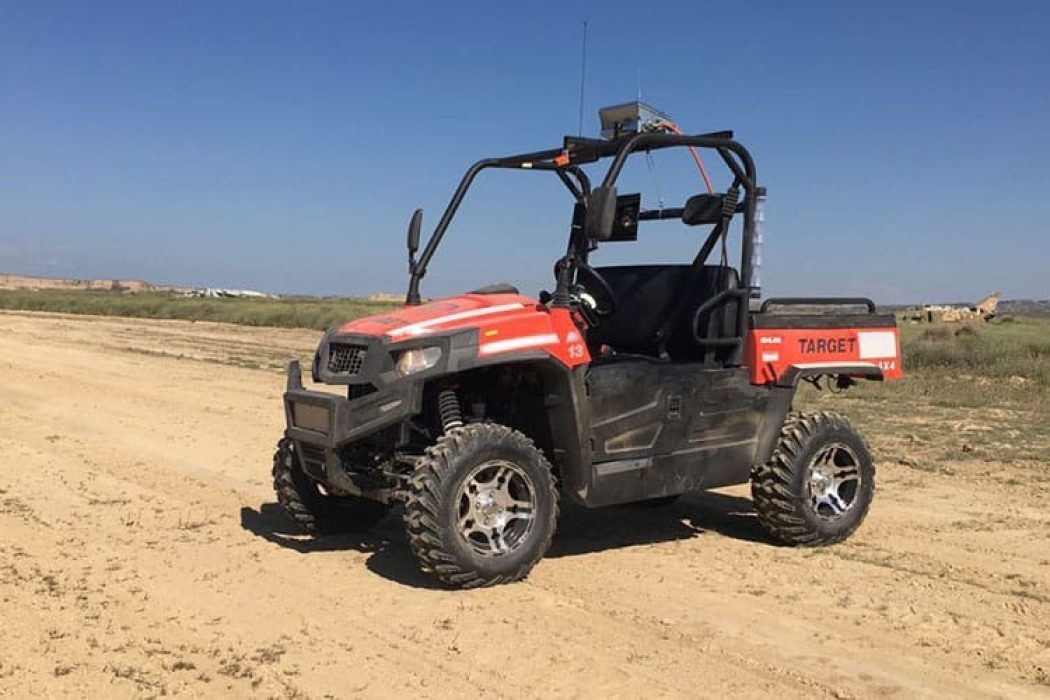
Agile, remotely operated ground targets capable of mimicking the behavior, mobility, and speed dynamics of armored vehicles and terrestrial threats.
Autonomous surface targets that simulate fast-moving boats and maritime threats, enabling realistic training and evaluation in sea-based scenarios.
It is the process of designing and implementing realistic scenarios that simulate air, land, and sea threats to test system readiness, measure the effectiveness of sensors and early warning systems, and improve coordination among defense elements. The process relies on a precise and scalable methodology that utilizes unmanned platforms, field elements, and measurement and analysis systems to create a safe and measurable testing environment.
It is a systematic process for detecting, processing, and removing unexploded ordnance and suspicious materials in training areas or operational environments, using unmanned and remotely piloted systems that enhance safety and minimize human exposure. These systems provide precise scanning, monitoring, and assessment capabilities to ensure the field is ready for safe use.
These systems are mobile field platforms designed to support and conduct testing in land, air, and sea environments, without the need for fixed installations or permanent infrastructure. They rely on advanced integration with automated systems to perform surveying, measurement, and monitoring tasks from the air, land, and sea, ensuring high-precision data collection and comprehensive documentation of test results. They also provide immediate operational capabilities that enable system performance evaluation and data analysis directly at the mission site with maximum efficiency.
Crew training in the field of unmanned and autonomous systems is a systematic development and qualification process aimed at enhancing the readiness of operators and technicians through realistic simulation programs and practical exercises on unmanned platforms. This training aims to improve operational accuracy, enhance the ability to manage various tasks and scenarios, and ensure the application of safety and efficiency procedures during the operation of unmanned air, land, and sea systems.
It is the process of collecting and analyzing data directly from the target site to understand the operational reality, assess environmental and technical conditions, and determine logistical requirements before planning or implementation begins. This process is supported by the use of manned and unmanned systems to perform aerial, land, and marine surveys with higher accuracy and wider coverage. This includes field inspection, measuring influencing factors, documenting existing elements, drawing and creating geographical maps, and identifying risks or constraints, to ensure the site is ready for planned operations or tests.
Lightweight, short-range systems for close-quarters missions and rapid reconnaissance.
Medium-range systems with higher range and capabilities for simulating threats and performing more complex tasks.
Advanced long-range systems used for operational scenarios and manned aircraft simulations
Multi-tasking platforms used in ground testing, supporting the carrying of measurement and monitoring devices in realistic operational environments.
Platforms designed for marine environments are used to simulate surface targets, conduct tests, and accurately and safely retrieve targets.
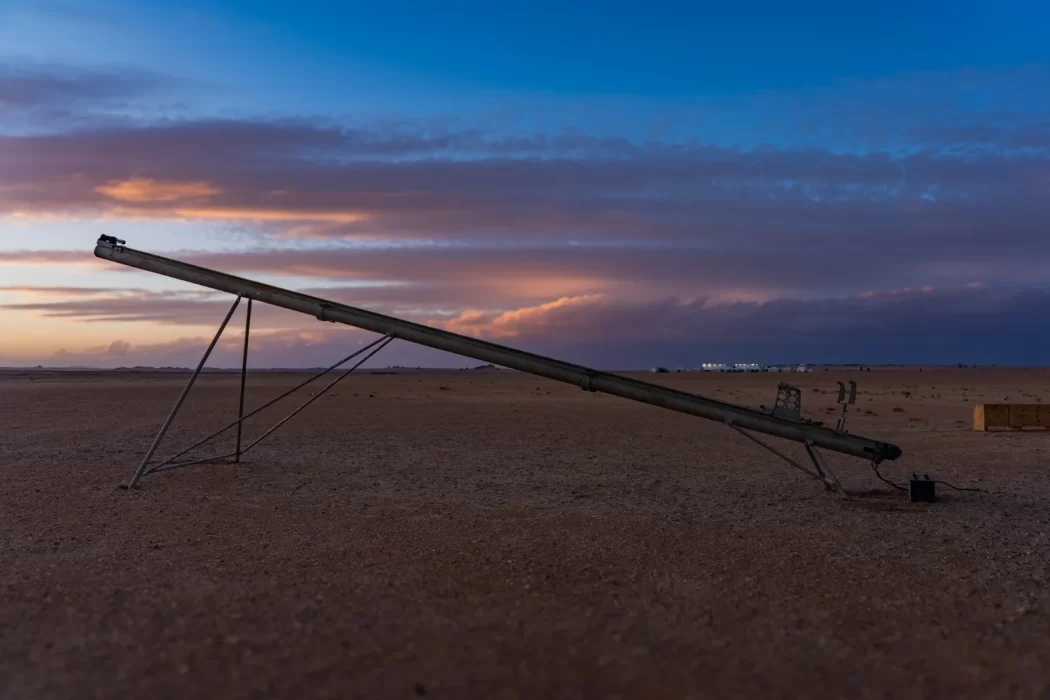
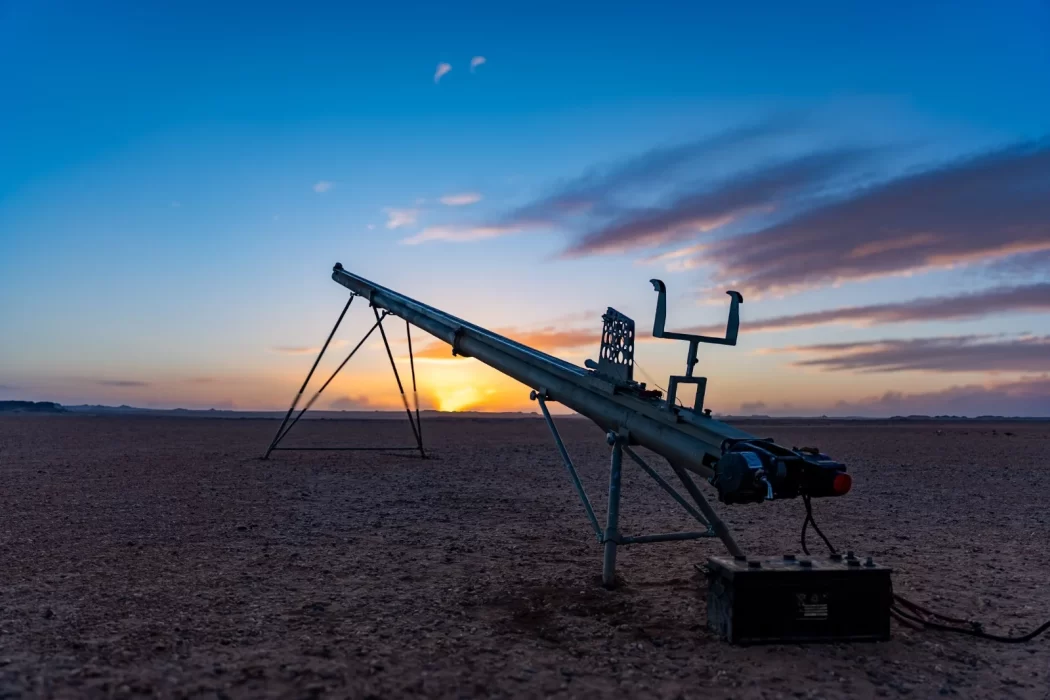
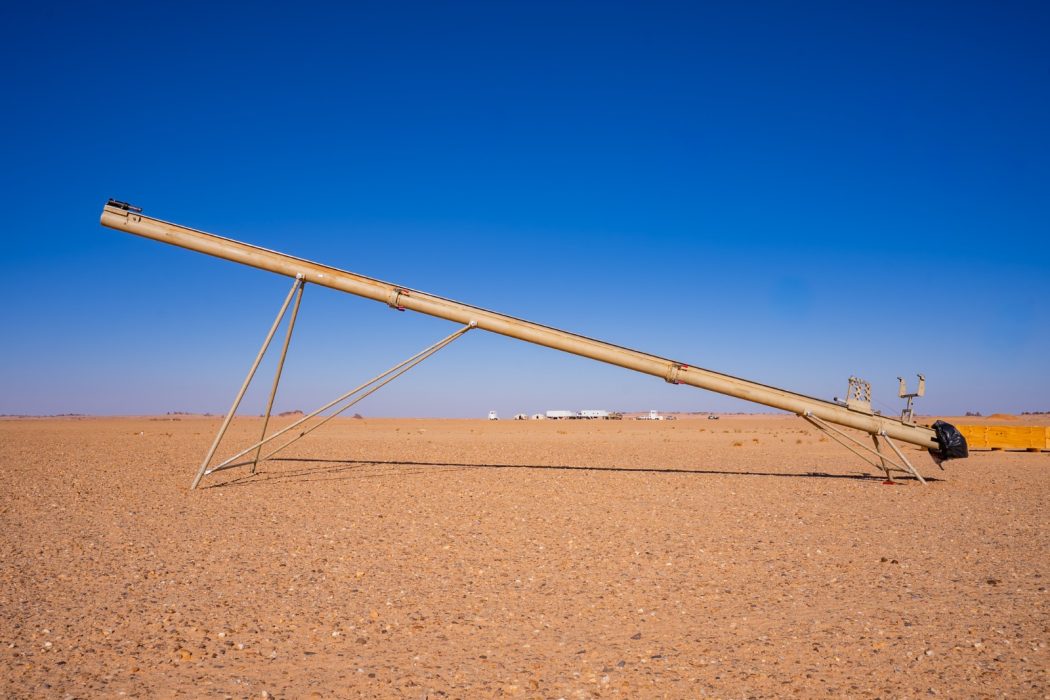
Field systems enable the rapid and efficient launch and operation of systems with high readiness and integrated connectivity to control systems.